

How Do I Maintain My Automated Gates
Are you looking for more information about how to maintain your automated gates? Regular care helps your gate stay in working order, improves performance, and supports safety for people using your home or site. It can also save time and help prevent damage that leads to bigger repair costs later.
If you already have gates installed, they may not need replacing. However, before automation or upgrades, it is essential to inspect their condition. A professional can check whether your gate is suitable for an automated gate system, or whether parts need fixing or adjusting first. This matters because a powered gate is only safe when the structure and the automation work together as designed.
First Checks Before Automation or Major Repairs
Start by looking at the areas that carry the gate’s weight and keep it stable. Check for cracks at the base of brick piers, because this can be a sign of movement. Check that the piers are upright and parallel, and look for structural wear such as crumbling mortar, soft bricks, or bending metal. Also think about past impacts. If a vehicle has ever hit the gates or piers, there may be hidden issues that affect safety and effectiveness.
You should also be provided with user instructions and other information when a system is installed. This content should include safety warnings, how to use the controls, and what checks are required. Keep a logbook so you can record maintenance, service visits, and any problems found. This record can be useful if you ever need to show what work was performed and when.
Why regular maintenance is required for electric gates
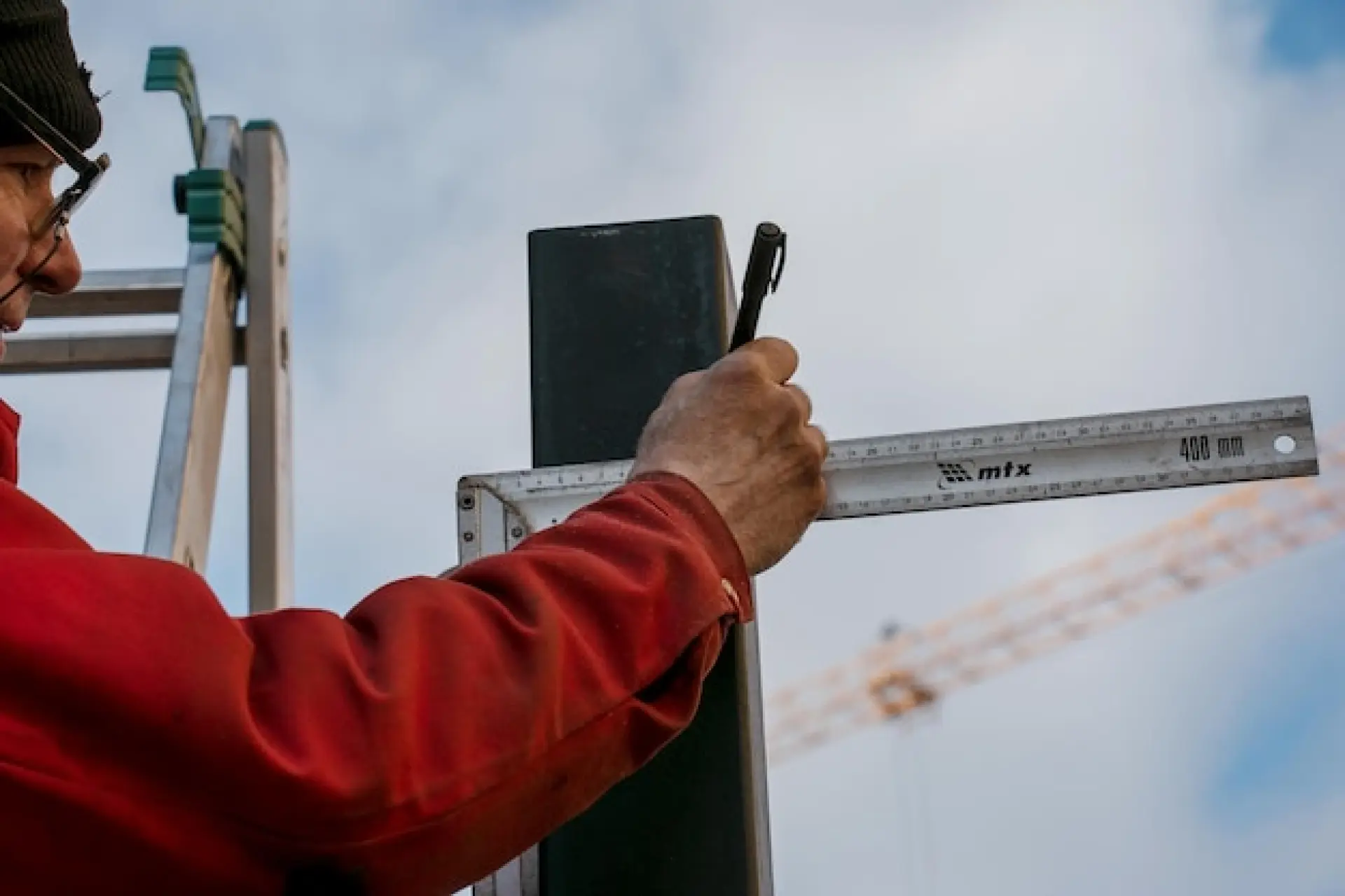
Electric gates and automated gates have moving parts, motors, wiring, and safety features that need regular attention. Wear and tear builds up over time, especially on gates that open and close many times a day. Regular maintenance helps keep the gate safe, reliable, and secure.
A powered gate should have safety checks at least once a year, and some gates need checks more often depending on use, design, and the category of site. Keeping up with maintenance also supports a better user experience, because the gate works smoothly and quickly without unexpected stops or delays.
Stay Compliant and Protect People
You must make sure your automatic gate is safe and meets relevant standards and guidance. This includes making sure safety features are in place, tested, and working correctly. If a safety device is missing or not working, the gate can become dangerous. You, as the person responsible for the gate on your property, should ensure checks are done and recorded.
Safety is not only about the gate itself. It is also about how the gate is used. Clear signs, sensible rules, and keeping the area free of obstructions can reduce risk. Children should not play near gates, and people should never walk through while the gate is moving.
Keep Your Gate Clean and Clear All Year
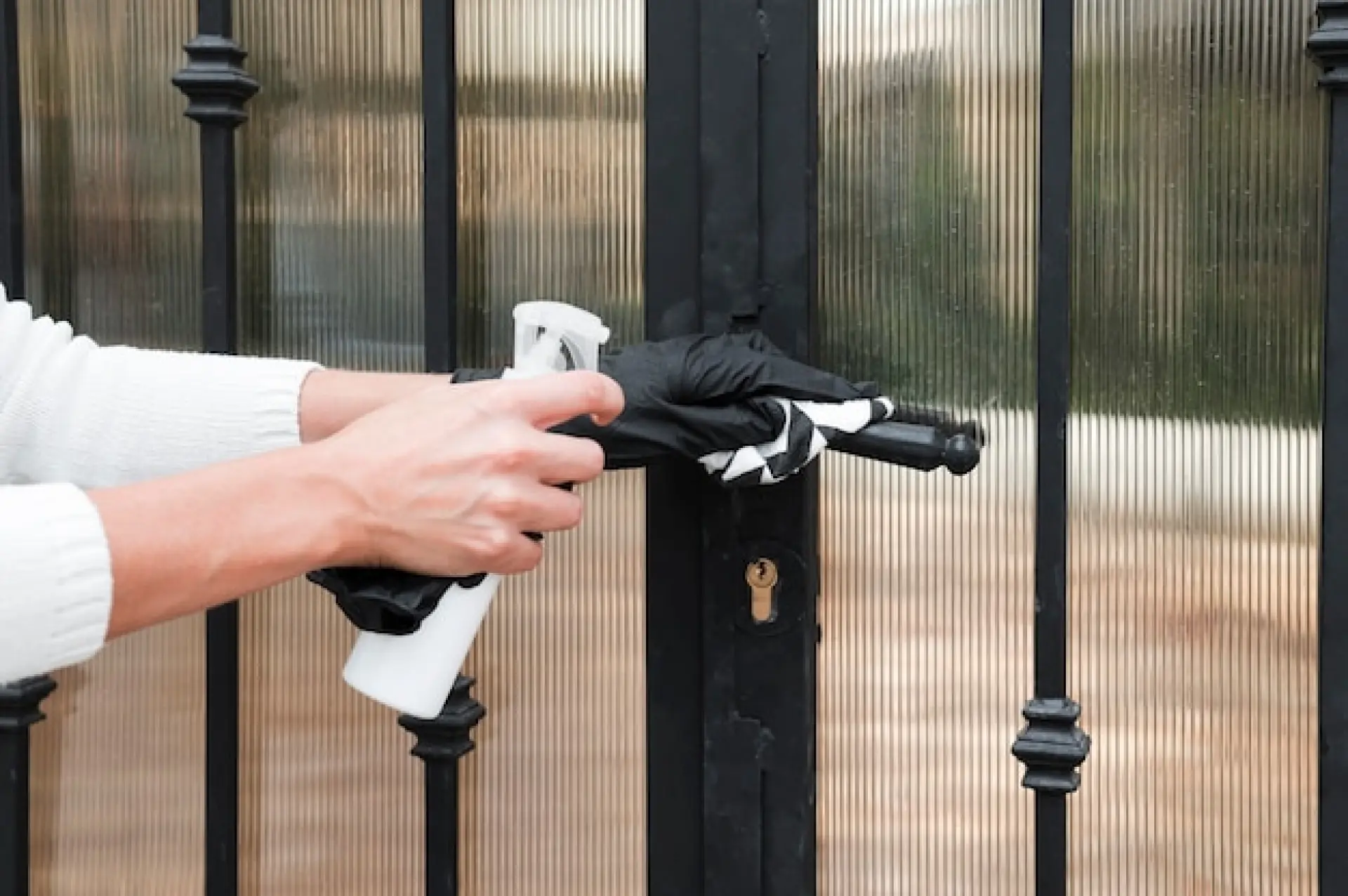
Dirt, dust, leaves, and debris can cause problems for automated gate systems. Cleaning is a simple step that can prevent corrosion and reduce wear. Clean the gate surface and also pay attention to hinges, rollers, tracks, and the area around the gate. If you have sliding gates, the track must be kept clear. Even small stones can cause issues and damage the wheels over time.
Weather can affect gates too. In rain, water can carry dirt into hinges and tracks. In winter, snow and ice can block movement, affect sensors, and add extra strain on the gate motor. After bad weather, take time to check that nothing has built up around moving parts and that drainage areas are clear.
Lubrication and Protecting Against Rust
Lubrication is essential for smooth movement and a longer life. Without it, hinges, rollers, and other moving parts can grind and wear out faster. A gate that squeaks, creaks, or jerks when opening and closing is often asking for attention. Use suitable lubrication products for your gate type and only apply them where they are designed to go. Too much lubricant can attract dirt and dust, which can create more problems.
Rust is another common issue, especially on metal gates. Regular cleaning helps prevent rust, and early checks help you spot the first signs of corrosion. If you see rust patches, treat them quickly and repaint or reseal the area to slow further damage. This helps maintain a professional look and protects the gate’s structure.
Inspect The Key Parts That Affect Performance
A good routine is to inspect the same parts each time. This makes it easier to notice changes and spot problems early. Check hinges and hinge pins for wear, and check that fixings are tight. If your gates use rollers, inspect them for cracks, flat spots, or wobbling.
If you have sliding gates, check the track for damage, and check that the gate is aligned and not rubbing. Also check the guide rollers and end stops. Misalignment can reduce effectiveness, cause strain on motors, and shorten the life of the installation.
Check The Motor, Control Panel, and Wiring
The gate motor and motors are at the heart of an automatic gate system. Listen for unusual sounds, and watch how the gate starts and stops. If the gate slows down, stops mid-way, or struggles to move, it may be a sign of wear, lack of lubrication, or an issue with the motor.
You should also check the control panel area. Look for signs of water getting in, dirt build-up, loose wiring, or corrosion on connections. Electrical parts should be kept clean and sealed where required. If you are not trained to work with electrics, do not open panels or attempt repairs. Contact a professional instead.
Test Safety Features Every So Often
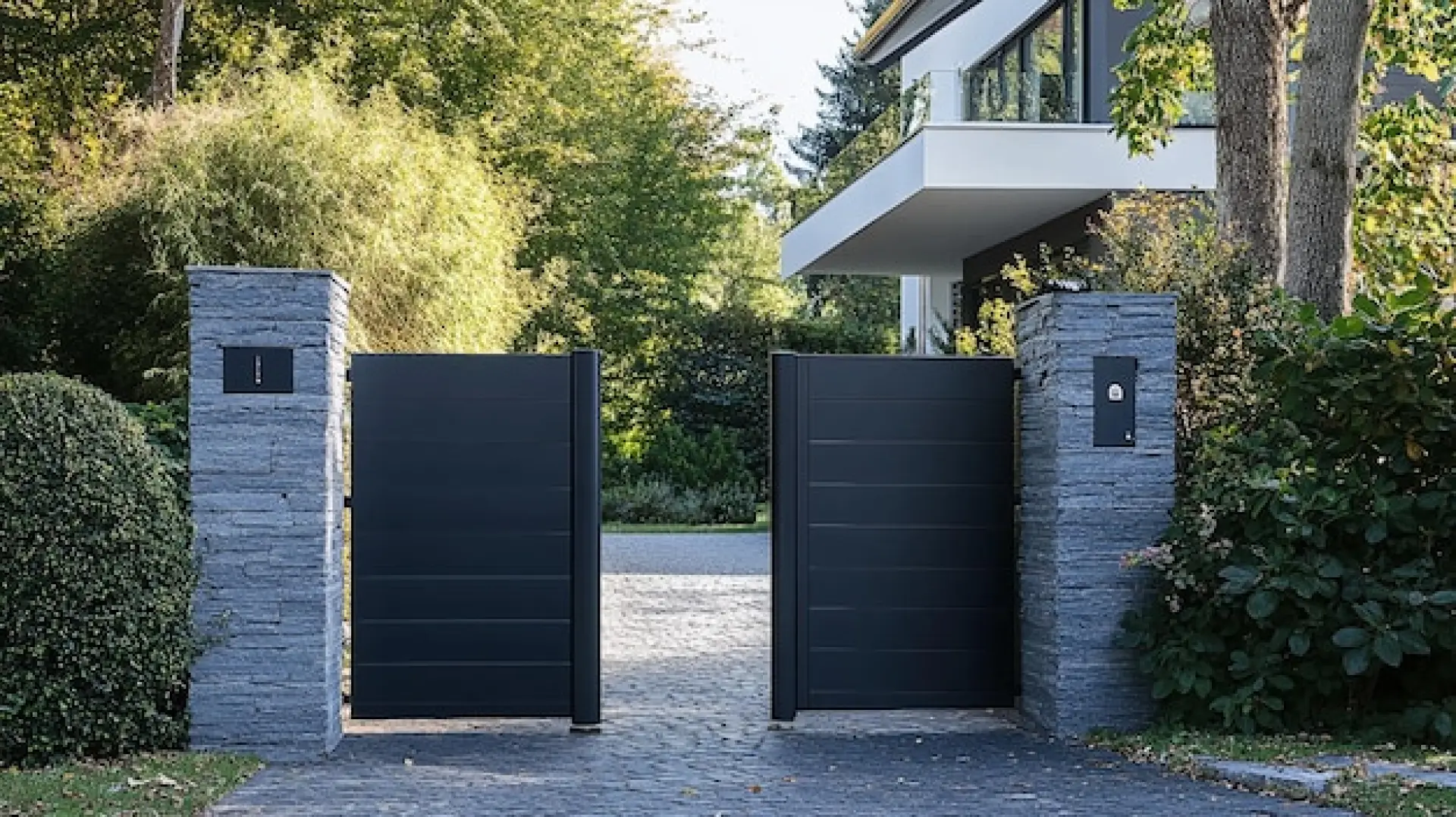
Safety features are designed to reduce risk and help prevent injury. These can include photocells, sensors, safety edges, and systems that make the gate reverse when something is detected. Testing should be performed at set times, not only when something goes wrong.
Start by checking photocells and sensors. Make sure they are clean, aligned, and not blocked by dirt, dust, leaves, or spider webs. Then test the gate’s response. During a safe test, see whether the gate stops or reverses when an obstruction is detected. If the gate does not react properly, stop using it and arrange a professional service. A fault in safety features is a serious problem and should not be ignored.
Manual Release and Power Back-Up Checks
Most electric gate systems include a manual release so you can open the gate if there is a power cut or a fault. Check the manual release from time to time so you understand how it works. This is important for safety and convenience.
If your gate uses battery-powered accessories, check batteries and replace them when required. Weak batteries can cause problems with remotes, keypads, and other equipment. This can look like a bigger fault, but the fix may be simple.

Adjusting Settings and Spotting Early Warning Signs
Sometimes a gate needs small adjustments to keep it running well. This might include setting limits, checking closing pressure, or adjusting how the system responds to obstacles. These settings affect safety and should be handled by trained experts, especially if the gate has a history of problems.
Warning signs to watch for include slower movement, uneven opening, jolting, scraping sounds, new gaps, loose parts, and repeated stopping. If the gate rejects commands, responds only sometimes, or needs several tries to work, it may be a sign of wiring issues or control panel faults.
Security and Safe Daily Use
Automated gates add security, but only if they are maintained and used correctly. Check that locks, access controls, and any intercom systems work as expected. Make sure the area around the gate is well lit and clear. Do not leave gates open for long periods if you want a secure entrance, and think carefully before enabling any “always open” functions.
For safety, users should wait until the gate has fully stopped before passing through. Never try to follow another vehicle closely through a closing gate. This reduces the chance of damage and helps keep people safe.
Professional Servicing and Record Keeping
It is essential to have regular servicing and maintenance checks. A professional service should include inspection, cleaning, lubrication, and testing. It should also include checks of safety features, the manual release, and the overall installation. A good engineer will use a clear checklist and record what was done, what parts were checked, and any repairs that are needed.
Keep all paperwork in your logbook, including dates, notes, and any risk assessment information that comes with the service. This helps you understand what has been done, what problems were found, and what may need attention next year.
When To Contact a Professional Quickly
Some problems should be treated as urgent. Contact a professional if the gate is not stopping correctly, if sensors or photocells are not working, if safety edges do not respond, or if the gate moves in an unsafe way. Also seek help if there are signs of serious wear, cracks in supports, major corrosion, or repeated faults that keep coming back.
If you would like help with a service plan, repairs, or advice on maintaining your automated gates, contact Secure Automation through the website or by email, and share what you have noticed, how often the gate is used, and how long it has been installed. This helps the experts guide you to the right fix and keep your gates working safely for years.
Useful Resources:
These sources detail important steps for keeping automated gates in good condition, such as frequent checks for wear, ensuring safety sensors work, and arranging servicing by qualified professionals.
BS EN 12453:2017. Industrial, Commercial and Garage Doors and Gates—Safety in Use of Power Operated Doors
https://knowledge.bsigroup.com/products/industrial-commercial-and-garage-doors-and-gates-safety-in-use-of-power-operated-doors-requirements-and-test-methods-2
This British and European standard provides rules for safe use of power-operated gates. It covers testing, maintenance routines, and performance requirements. Experts often use this document to ensure gates meet safety standards.
The 7 Deadly Sins of Automated Gates
https://www.dhfonline.org.uk/news/the-7-deadly-sins-of-automated-gates/859.htm
This article from the UK trade association 'Door & Hardware Federation (DHF)' outlines the common safety and compliance failures of automated gates, such as lack of risk assessment, poor maintenance, and use of incorrect parts. The article stresses the importance of proper installation, plenty of servicing, and following UK safety standards to prevent accidents and legal issues.
Order Component Extraction Technology for Predictive Maintenance System in Rotary Machines
https://www.mechanics-industry.org/articles/meca/full_html/2025/01/mi240100/mi240100.html
This peer-reviewed article highlights how poor maintenance and inadequate design can lead to safety risks and operational failures. The study explores methods to improve reliability, including regular inspections, predictive maintenance, and the use of safer, more durable materials. It also stresses the importance of following regulatory standards and adopting smart technologies to monitor gate performance.
Are you looking for Commercial Security Gates in Tyne and Wear? Find out more about our automated gates throughout Northumberland, Sunderland and Newcastle.