

Top Tips for Choosing Automatic Commercial Gates
Choosing gates for commercial properties is an important step in protecting your premises and managing daily access. The right gate can improve security, help control vehicles and visitors, and support safe movement in and out of the site. When choosing the right gate, it is worth thinking about space, traffic flow, and the level of security you need, so the gate system suits your business and works reliably every day.
Choosing a Gate for Commercial Properties
For many commercial properties, gates are not just a nice extra. They are essential for security, safety, and smooth access for staff, customers, and vehicles. The right gate system can help prevent unauthorised access, guide traffic flow, and give you controlled access to your premises.
When choosing the right solution, it helps to think about your security needs first. Do you need a high security entrance for valuable stock, or a welcoming design for customers arriving at a commercial property? A good plan balances functionality, aesthetics, and convenience, while making sure the gate is suitable for daily work on site.
Choosing the Right Gate Starts With Your Site
Before you choose the right gate, look closely at the space and the opening. Limited space, a short driveway, slopes, and nearby walls or fencing can all affect what gate types will work. High traffic areas also need a gate that can operate reliably, without slowing down vehicles at busy times.
It is also important to ensure the gate aligns with how your business works. Think about delivery times, staff parking, visitor entry, and whether pedestrians need a separate, safe access point. Many businesses find that a clear layout, with strong security features, reduces confusion and improves safety at the entrance.
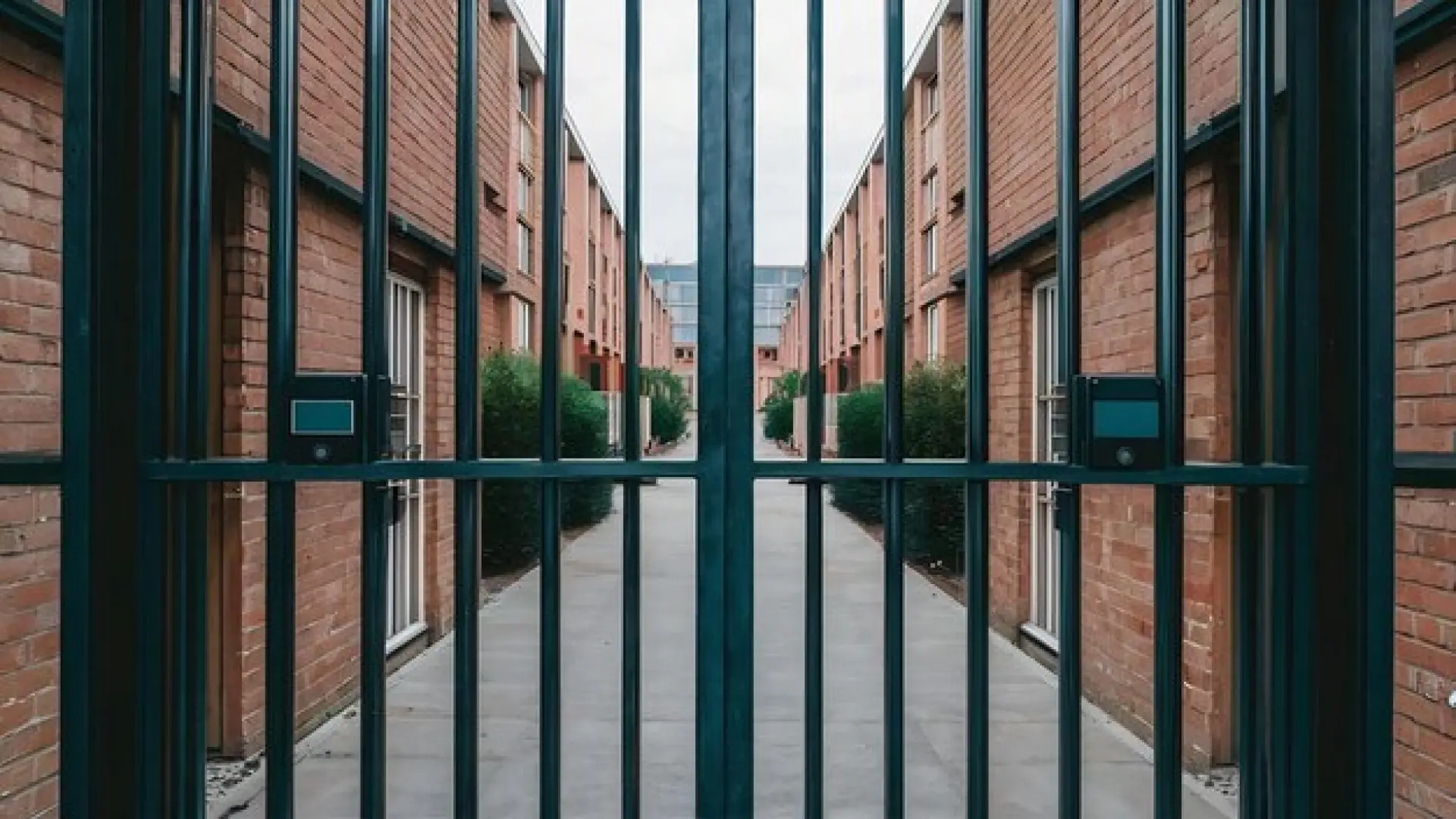
Gate Types for Commercial Gates
There is a wide range of gate options available. The best choice depends on the level of security you need, the amount of space saving required, and how often the gate will open and close each day.
Sliding Gates
Sliding gates are a common choice for commercial gates where space is tight. A sliding gate moves sideways, often along a track, which makes it ideal for limited space and high traffic entrances. Because the gate does not swing out, it can be an excellent choice for busy premises where vehicles queue close to the entrance.
Sliding gates are available in different designs and sizes, including bi-parting versions where two sections slide apart for wide openings. This can be helpful if you want a large clear opening without one long gate panel.
Cantilever Sliding Gates
Cantilever gates are a type of sliding gate designed to slide without touching the ground. Instead of running along a track, the gate is supported by rollers mounted to posts. This design can be perfect for sites where debris, ice, or uneven ground could cause problems for a tracked system.
For many businesses, this is a great option because it can reduce blockages and improve day to day functionality. It also suits places where you want a cleaner look and less visible hardware.
Telescopic Gates
Telescopic gates, sometimes called stacker gates, are built for very limited space. They use two or three panels that slide and stack, so the open gate takes up less length along the fence line. This can be ideal for a commercial property with tight boundaries, where a standard sliding gate would not fit.
These gates often run along a track and need careful installation so they move smoothly and safely. If space is a problem, this is one of the most suitable gate options to consider.
Swing Gates
Swing gates are a popular option when there is enough room for the gate to open in an arc. A swing gate can look impressive and can suit premises where the entrance needs a more traditional style. Swing gates can be single leaf or double leaf, and they can be designed to match the building and improve kerb appeal.
However, swing gates need clear space to open, so they are not always suitable for high traffic areas or short driveways. They also need strong posts and hinges to support the weight over time.
Bi-Folding Gates
Bi-folding gates are designed to fold back on themselves, which helps when you need faster opening and space saving at the same time. They can be a practical choice for businesses with high traffic, because the opening can be quicker than some other gate types. Bi-folding gates can also work well where there is not enough room for wide swing arcs, but you still want a gate that opens inward.

Matching Gate Choice to Traffic Flow
A key factor for commercial properties is traffic flow. If you have regular deliveries, customer parking, or shift changes, the gate you choose must handle frequent use. A gate that is too slow, too narrow, or not designed for high traffic can cause queues and frustration.
It is worth thinking about vehicle size as well. Large vans, lorries, and service vehicles need a wide opening, and the gate system must meet your specific requirements for turning space. This is where choosing the right layout matters as much as the gate itself.
Security Requirements and Access Control
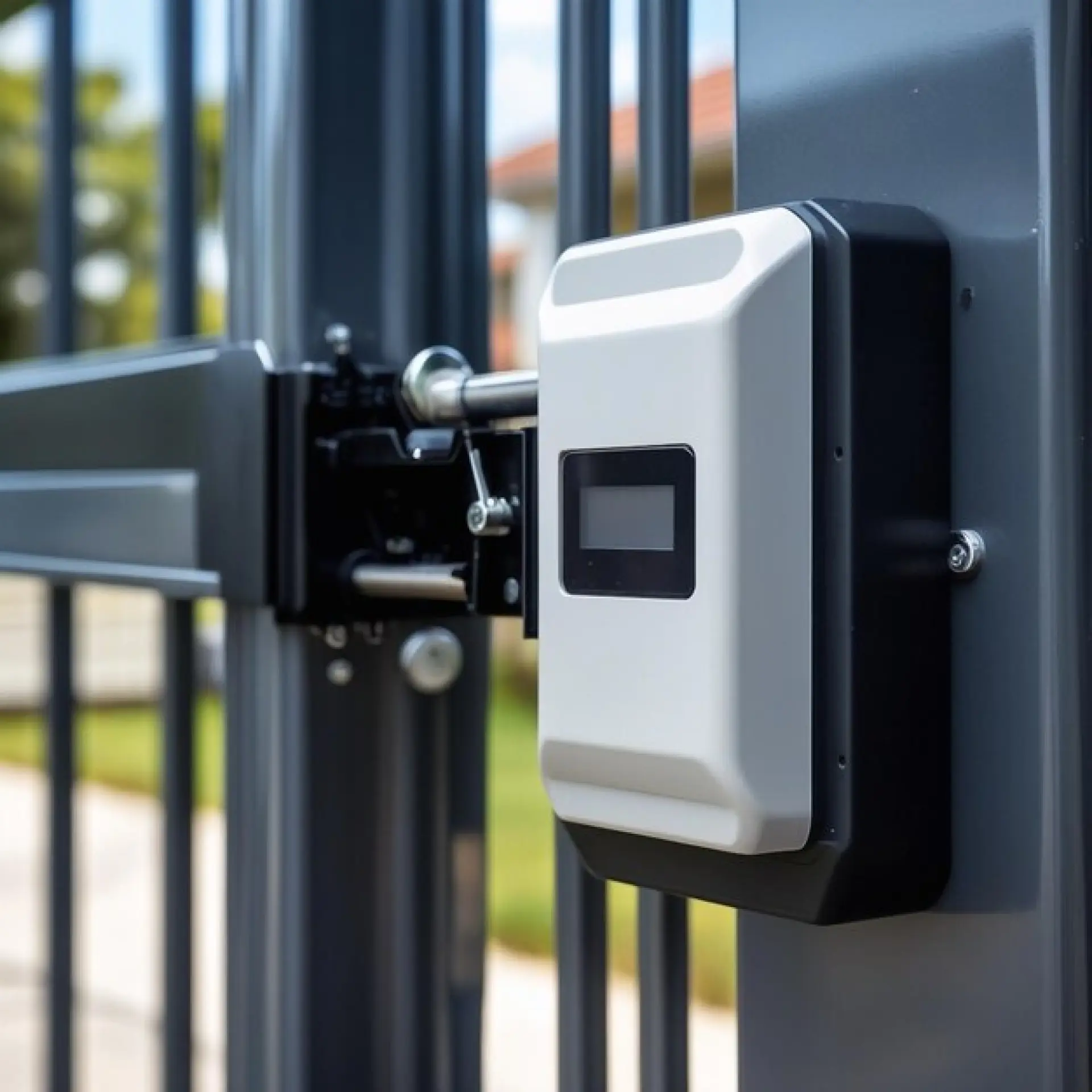
Security requirements vary between businesses. Some sites only need basic control, while others need enhanced security with multiple checks. Gates offer a strong first barrier, but they work best when combined with access control and security systems.
Access control can include keypads, fobs, card readers, intercoms, and number plate recognition. These control systems help you manage who can enter, when they can enter, and how entry is recorded. For many businesses, controlled access reduces risk, supports staff safety, and helps protect customers on site.
If you have strict security needs, you may also want extra security features such as anti climb designs, stronger infill panels, and features that reduce tailgating. The goal is to reach the right level of security without making access difficult for authorised users.
Materials and Finish for Commercial Gate Design
The material you choose affects strength, appearance, and maintenance. For commercial gates, the most common materials are steel and wrought iron, but other options can work depending on the site and design goals.
Steel is often chosen for its strength and long lasting performance. It is a strong option for high security sites and can handle heavy daily use. Aluminium is lighter and can be easier to operate, while still offering good durability for many premises.
Timber can look warm and welcoming, but it usually needs more maintenance. It may suit certain entrances where aesthetics are a priority, but it is less common for high security commercial properties. Glass can create a modern look and improve visibility, but it needs regular cleaning and may not suit every security need.
Many businesses choose a powder coated finish because it helps protect the gate from weather and wear, and it supports a neat, professional look. This is also a good way to match colours to a building or brand style.
Installation, Safety, and Daily Use
Professional installation is essential. A gate must be designed and fitted to operate safely every day, especially in areas where pedestrians and vehicles mix. Safety edges, sensors, and clear signage can reduce the chance of accidents and help meet safety expectations for workplaces.
It is also important to think about what happens during emergencies. Your site may need a way to open the gate quickly for emergency vehicles, or a manual release if there is a power cut. These details are often missed, but they can be vital for safety and smooth operation.

Choosing the Right Look for Your Premises
A gate is often the first thing customers see, so design matters. The right gate should support your security needs while also fitting the building. Some businesses prefer a modern, clean look, while others choose a more classic style such as wrought iron.
A good supplier can offer a variety of styles and finishes, so you can find a solution that matches your premises and feels professional. The best results come from making sure the gate choice aligns with your brand, your building, and the practical needs of the site.
A Simple Guide to Making the Right Choice
Choosing the right gate is about matching gate types to your space, traffic, and security requirements. Consider how much room you have, whether you face limited space, how busy the entrance is, and what access control you need. Then compare gate options based on functionality, safety, maintenance, and how well the design fits your premises.
If you want help choosing the right, Secure Automation can guide you through the options available, recommend a suitable commercial gate, and support installation and ongoing maintenance. Contact us to discuss your commercial property and find the right gate system for your needs.
Are you looking for Automatic Electric Gate Installation in Tyne and Wear? Find out more about our commercial electric driveway gate services throughout Northumberland, Sunderland and Newcastle.